
Holiday Fraud Scams - if it sounds too good to be true, it probably is
Cynnwys y prif erthygl
Many people will be thinking about making exciting plans for their next holiday, having seen a significant increase in reported holiday fraud scams we’re warning the public to stay vigilant when booking their next trip.
As more people choose to book parts of their holiday separately, such as their flights and accommodation, scammers are finding new opportunities to target victims.
Most booking websites have their own internal messaging and payment systems, fraudsters will try and communicate outside of these channels, usually via email or WhatsApp. Be extra wary of anyone trying to lure you away from the main website with a ‘too good to be true deal’ that is only available if you pay via a bank transfer.
If you do experience someone trying to entice you to make a payment outside of the main booking website please report them to Action Fraud – even if you have lost no money.
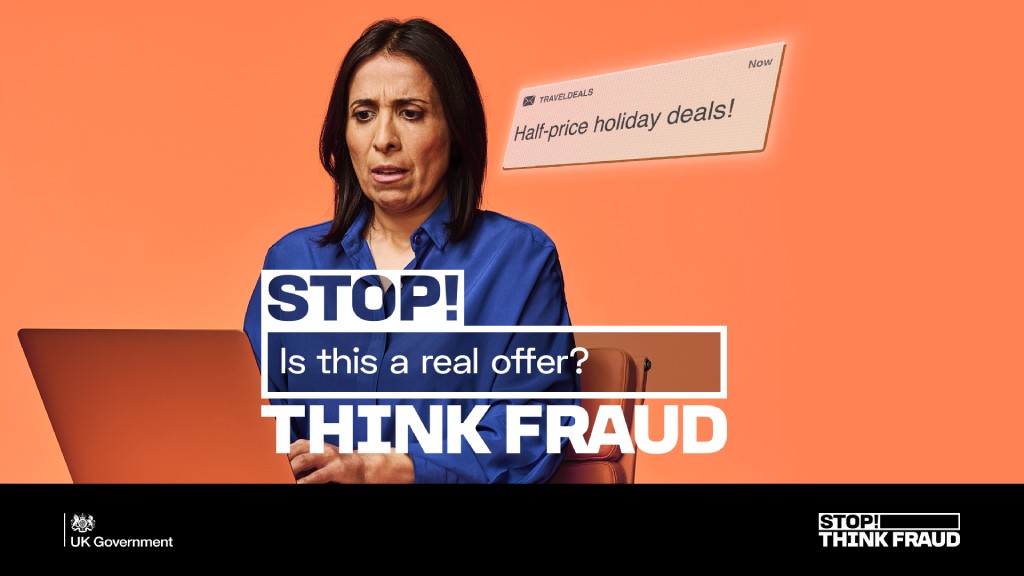
What is Holiday Fraud?
Holiday fraud is when a criminal impersonates trusted websites or creates fake adverts to trick you into booking a holiday through them, giving them your money or personal information.
Most holiday scams take place online. Criminals set up fake websites that appear to sell flights in the UK and overseas, holiday packages, accommodation, and tour operator packages. They may also post fake advertisements on trusted websites, hoping you’ll click on them and pay the criminal directly, rather than through the genuine site. They may also clone the websites of genuine companies, so you think you’re making a real purchase. These ads and websites often look similar to trusted websites and organisations.
Always remember
- Be suspicious of any “too good to be true” offers or prices – if it’s at a rock bottom price ask yourself why.
- Do your research before making any purchases by reading reviews of the site or person you’re purchasing from. Before booking accommodation ask what checks the agent makes on both the landlord and advertised property. Verify that the address exists through web searches and online maps.
- Where possible, book directly with an established hotel or through a reputable travel company/agent that is a member of a trade body such as ABTA or ATOL. If you do decide to book independently, establish if you’re dealing with the property owner or a letting agent or via the local tourist information desk.
- Ensure you read the terms and conditions before making any bookings to confirm exactly what you’re being sold. Double-check both your travel and accommodation information, particularly if there is a long gap between making the booking and arrival.
- Always use the secure payment options recommended by reputable online travel providers.
- Where possible, use a credit card when making purchases over £100 and up to £30,000 as you receive protection under Section 75
- Always access the website you’re purchasing from by typing it into your web browser and be wary of clicking on links in unsolicited emails
- Don’t click on links or attachments in social media posts or emails
- Question uninvited approaches and contact organisations directly to confirm requests using a known email or phone number.
- Only give out your personal or financial information to services you have consented to and are expecting to be contacted by.
- If you have visited a website you think is suspicious you can report it to the National Cyber Security Centre.
For a full list of tips to avoid becoming a victim of fraud, please visit https://www.takefive-stopfraud.org.uk/advice/general-advice/purchase-fraud/holiday-fraud/
If you think you’ve been a victim of fraud, contact your bank immediately and report it to Action Fraud online at https://www.actionfraud.police.uk or by calling 0300 123 2040, or call Police Scotland on 101.
The more you know, the better prepared you’ll be to spot a fraud attempt if it happens to you or someone you know, find out more here https://stopthinkfraud.campaign.gov.uk/how-to-spot-fraud/