Man Jailed for Role in £17 million Cannabis Importation Plot
Main article content
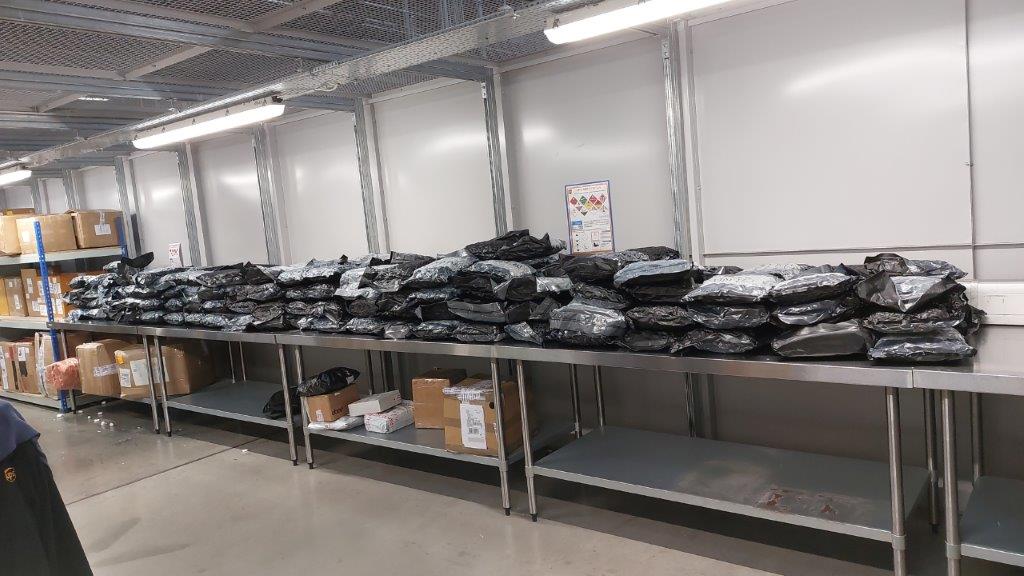
A man who intended to take possession of cannabis with a street value of over £17 million that had been imported from the USA and was destined for West Yorkshire has been jailed.
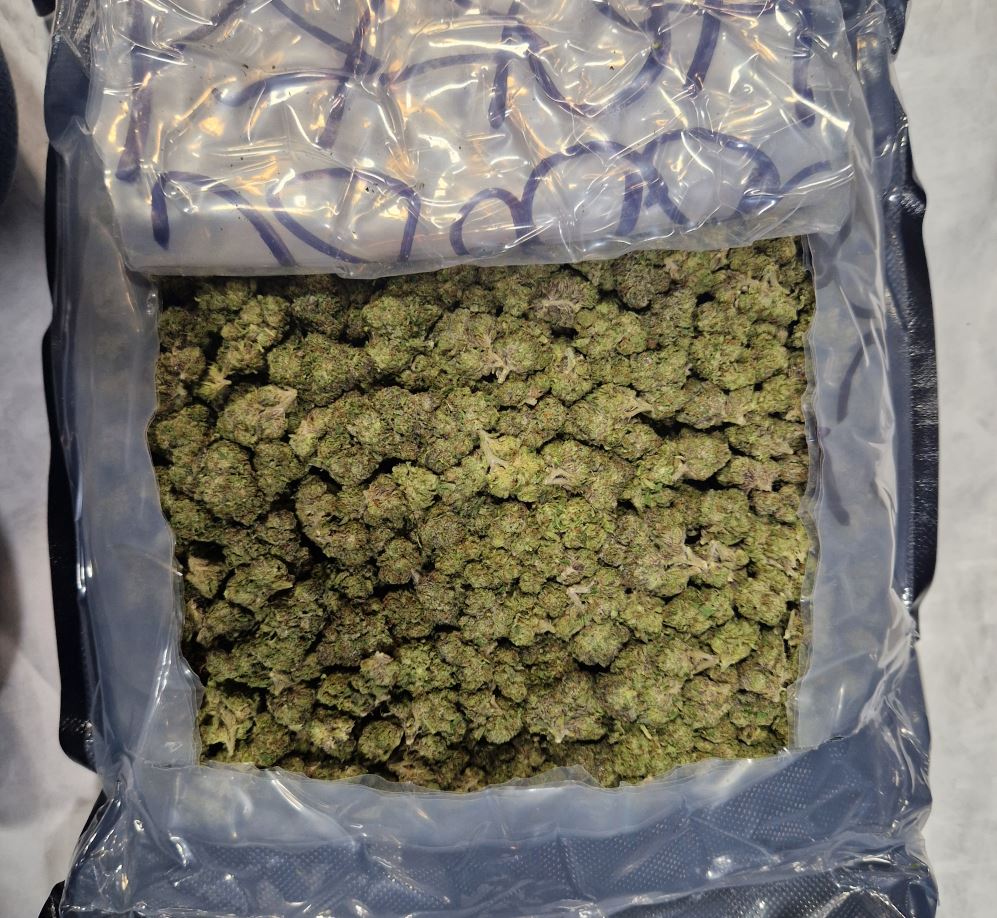
James Montgomery was the intended recipient of 213 kilos of the Class B drug from California to be delivered to an address in Allerton Bywater, Castleford.
The drugs, which were vacuum packed and concealed within leather products, were intercepted by Border Force staff at East Midlands Airport on 30 October last year.
Having attempted to conceal his involvement, officers from the Yorkshire and Humber Regional Organised Crime Unit (YHROCU) identified Montgomery as the UK recipient.
Appearing before Leeds Crown Court last Thursday, Montgomery, aged 44, of Pinfold Lane, Methley, Leeds, who had admitted conspiracy to supply Class B drugs at an earlier hearing, was jailed for six years.
Speaking after sentencing, Detective Chief Inspector Al Burns, of the YHROCU, said: “I’m pleased that by working with partner agencies we have been able to intercept a significant quantity of cannabis with a street-value of several millions of pounds.
“This sentencing sends a clear message that those involved in the illegal drug trade will be pursued and brought to justice.
“The scale of this operation highlights the significant threat posed by organised criminals, and we remain committed to dismantling their operations to ensure the safety and wellbeing of our communities.”